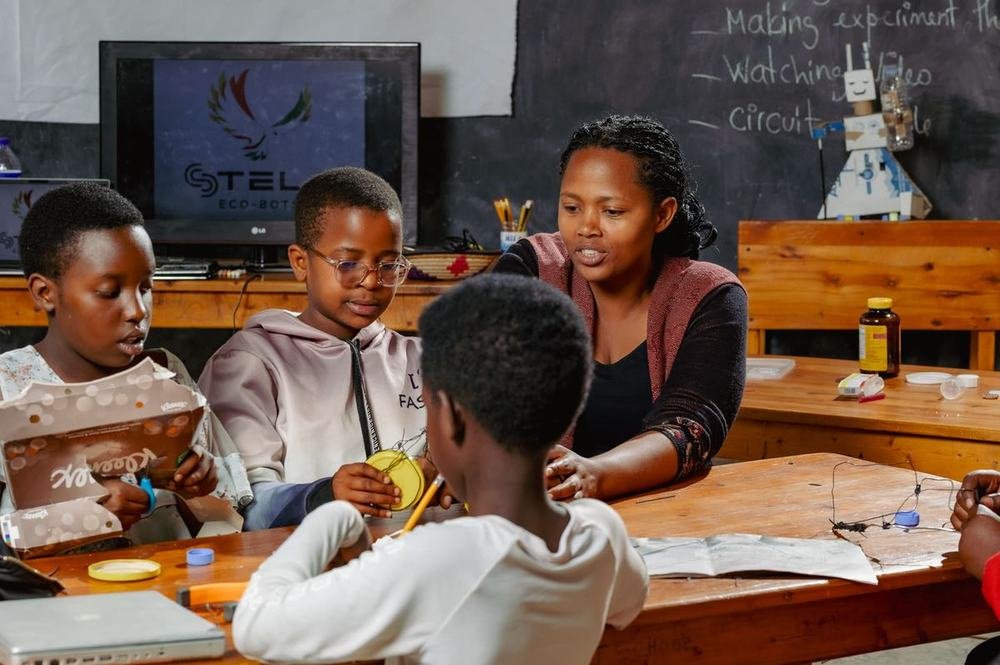
Build
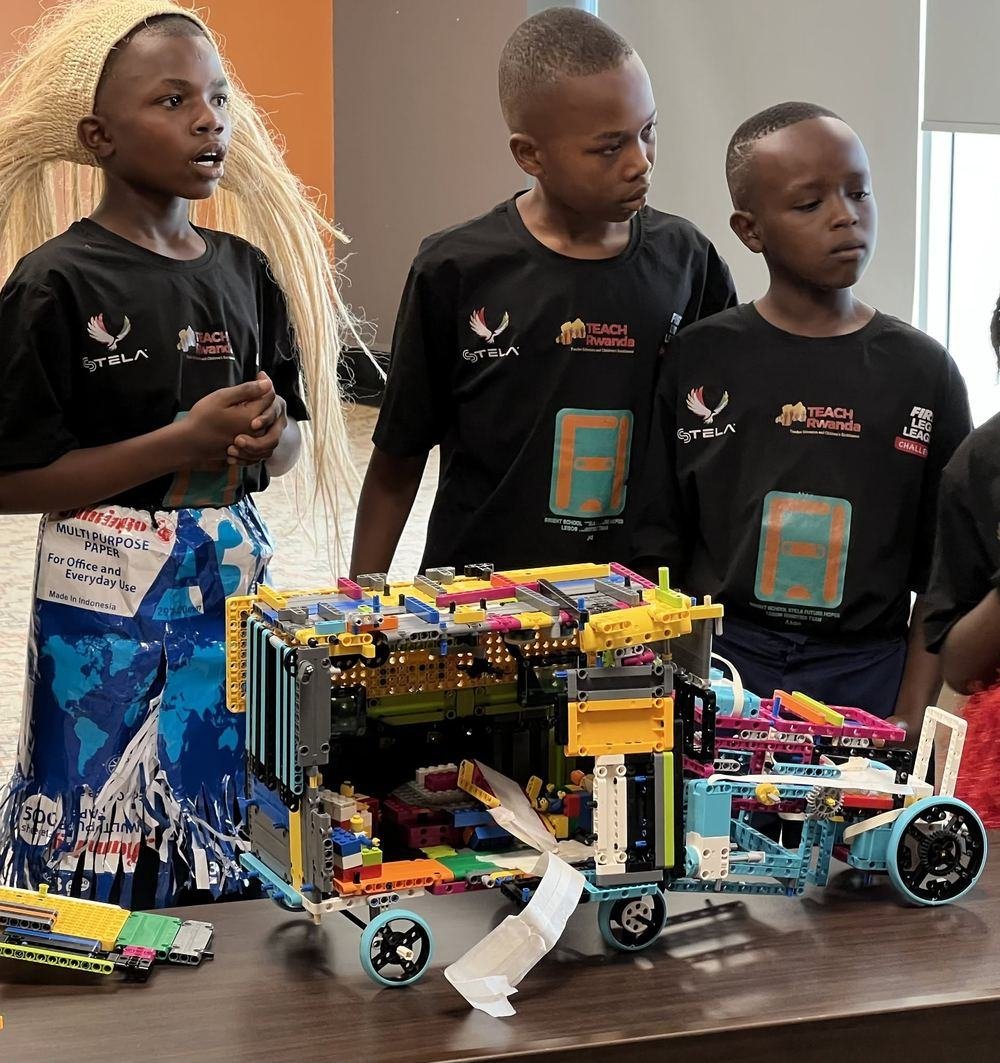
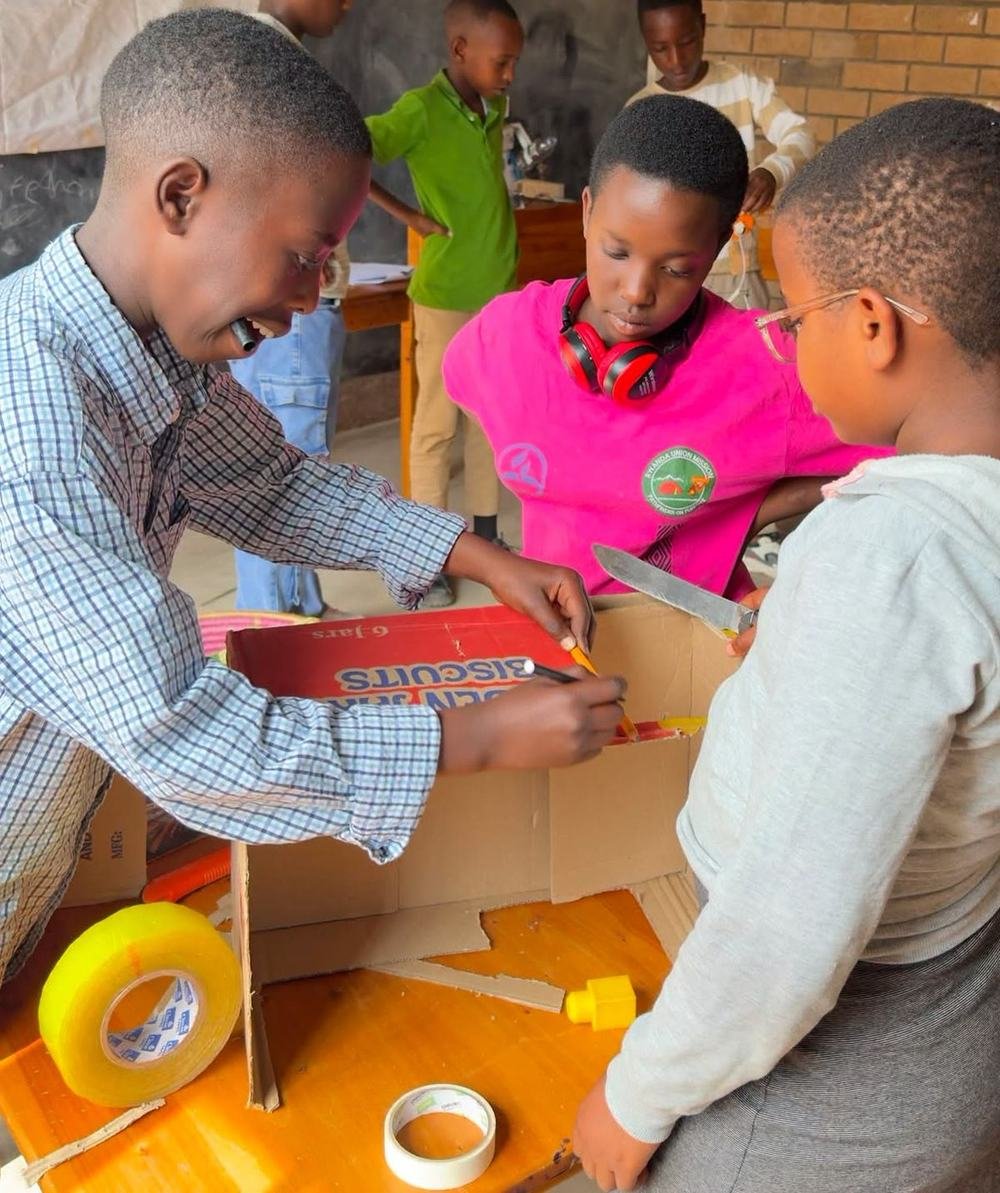
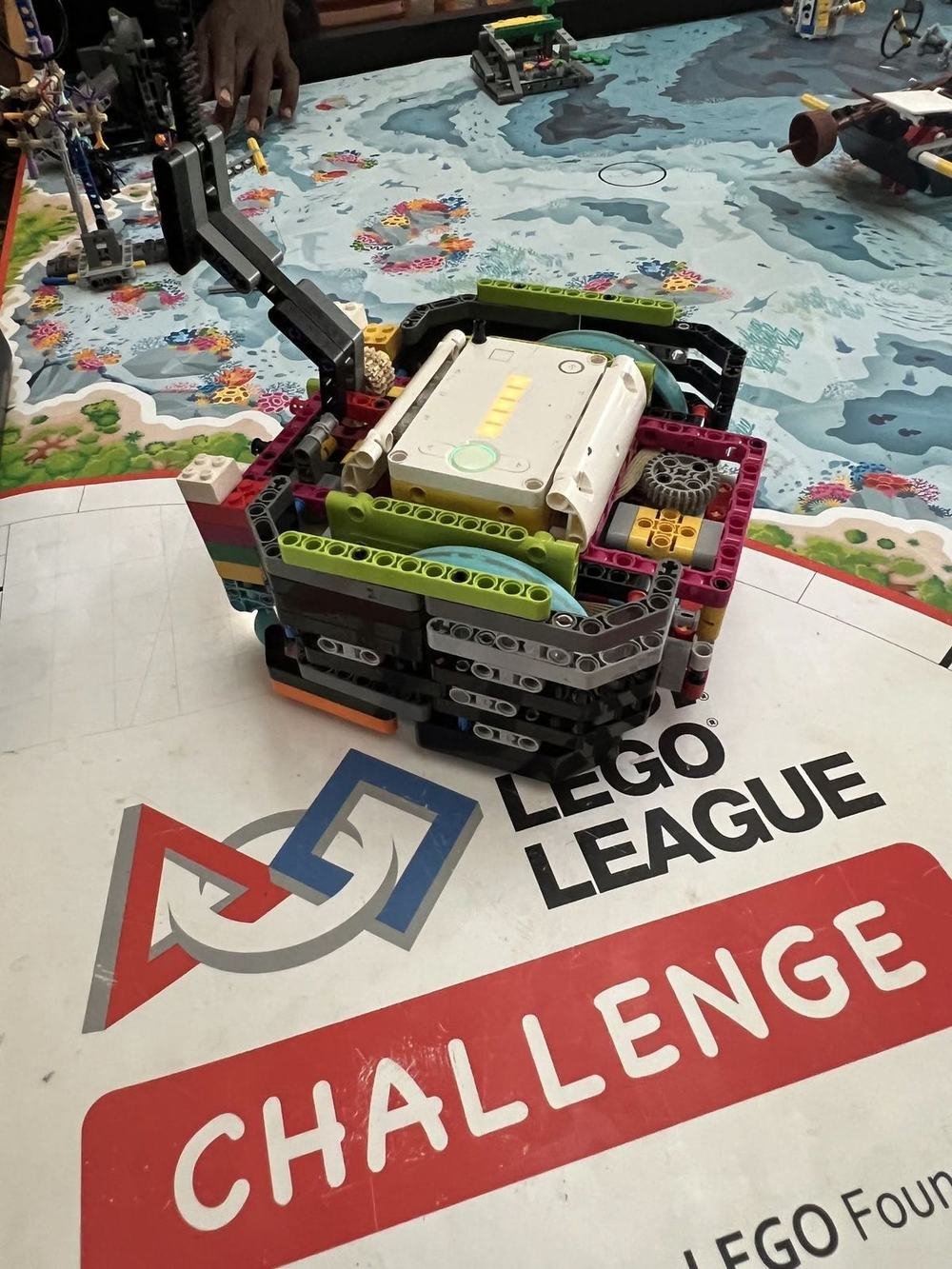
Teams design and assemble using kits and recycled materials, working through several failed mechanisms before one holds.
A robot either moves or it does not. There is no partial credit and no way to memorise your way past a mechanism that will not turn.
That honesty is exactly why robotics belongs in a TEACH Rwanda classroom. Children plan, build, fail visibly in front of their peers, and iterate, which is the same cycle we ask teachers to go through in T4T, at a scale a nine‑year‑old can hold in both hands.
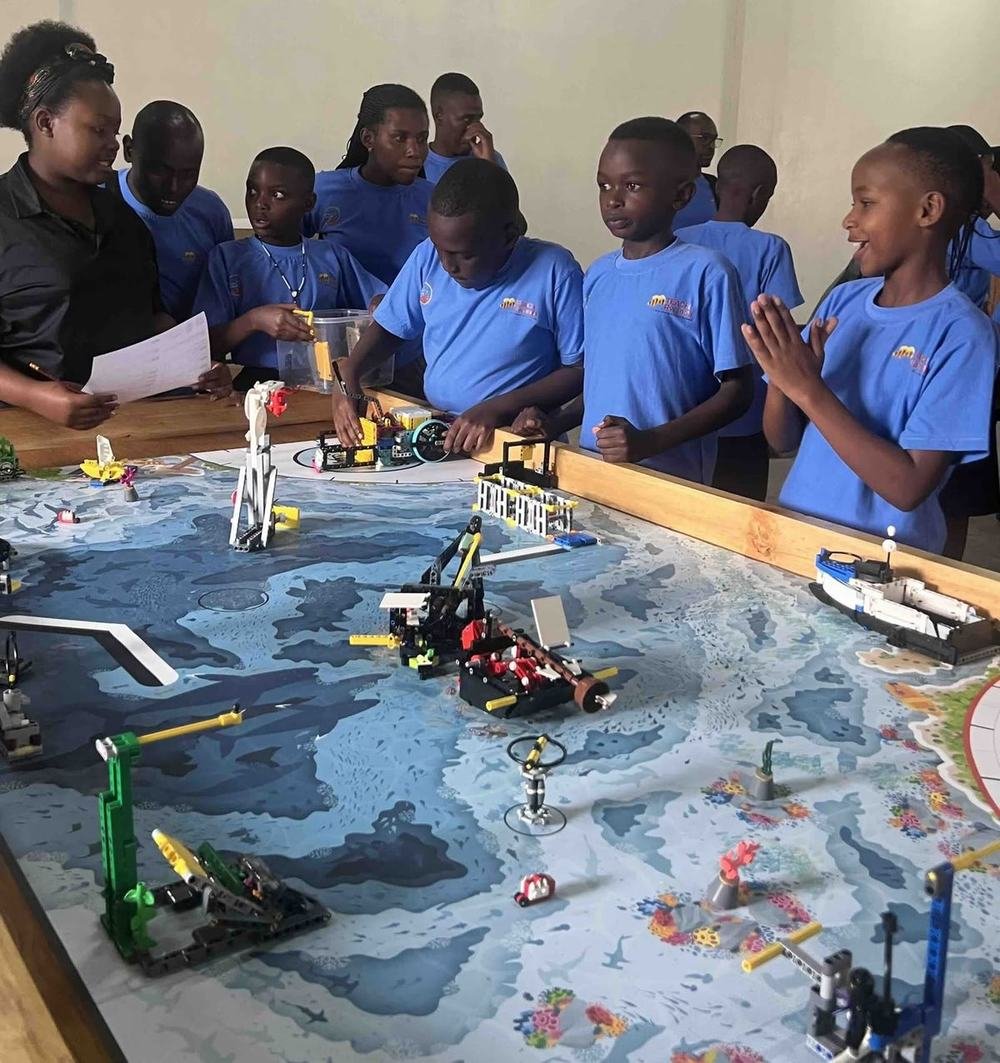
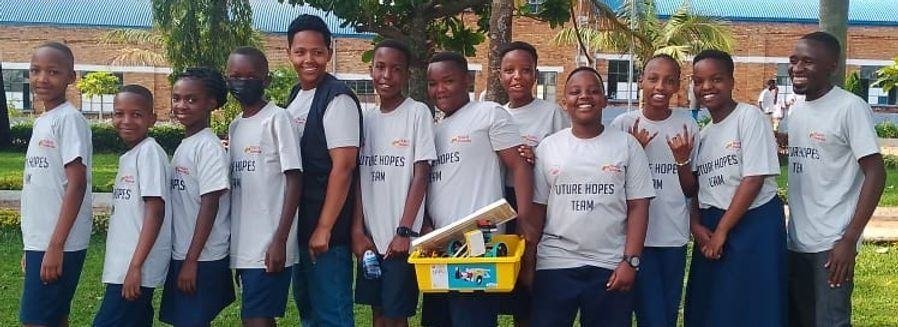
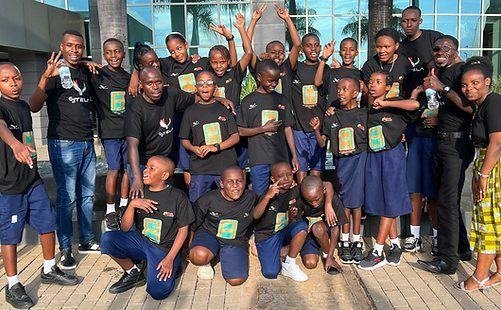
Bright School has entered every FIRST LEGO League season since 2021, when it fielded Rwanda's first FLL team. Each season brings a new global challenge.
The first season. Bright School fields Rwanda's first FIRST LEGO League team.
Cargo Connect. A transport challenge. Learners researched drawbridges: a structure none of them had seen in Rwanda. The school expanded to two teams.
Masterpiece. Arts and technology together. Each learner identified a personal talent and built it into the team's work.
Submerged. Underwater research: a demanding brief for children in a landlocked country. Two teams competed regionally in Huye.
Unearthed. An archaeological challenge, researched through the school library and online.
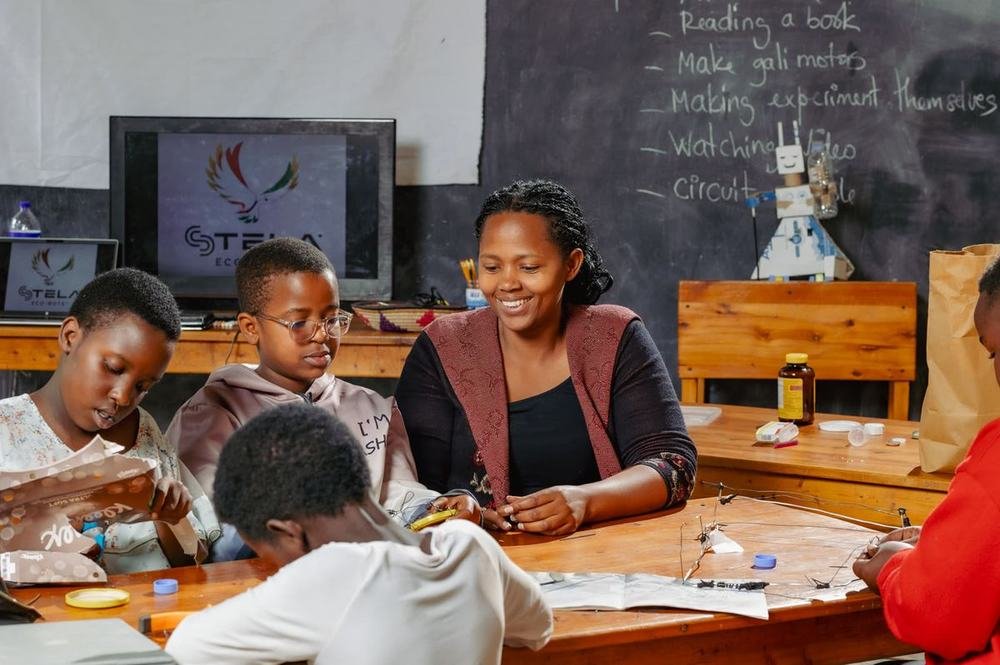
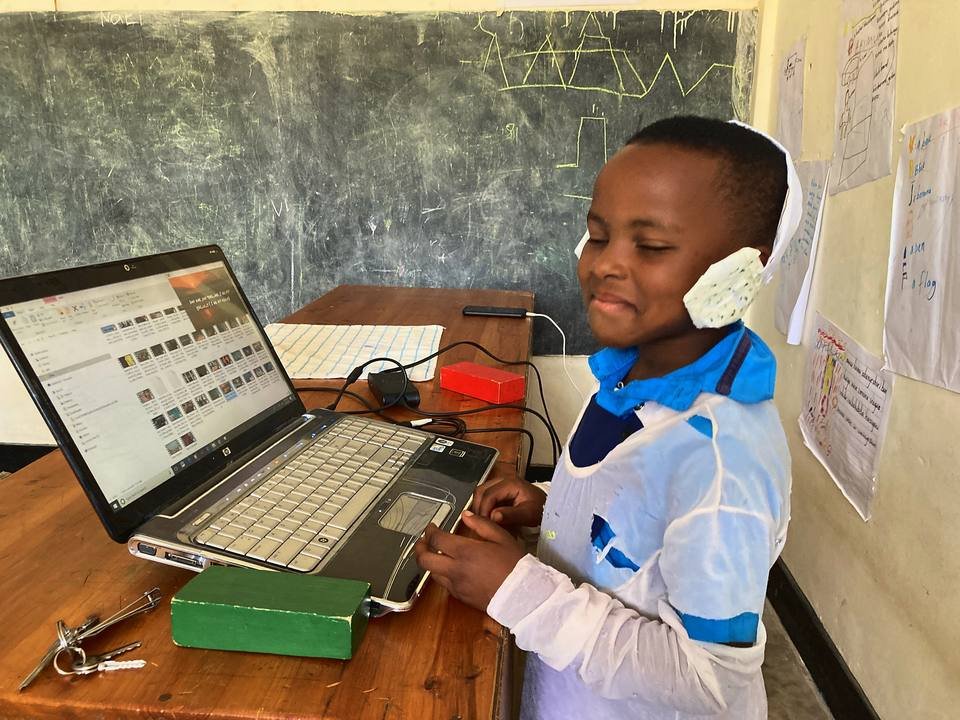
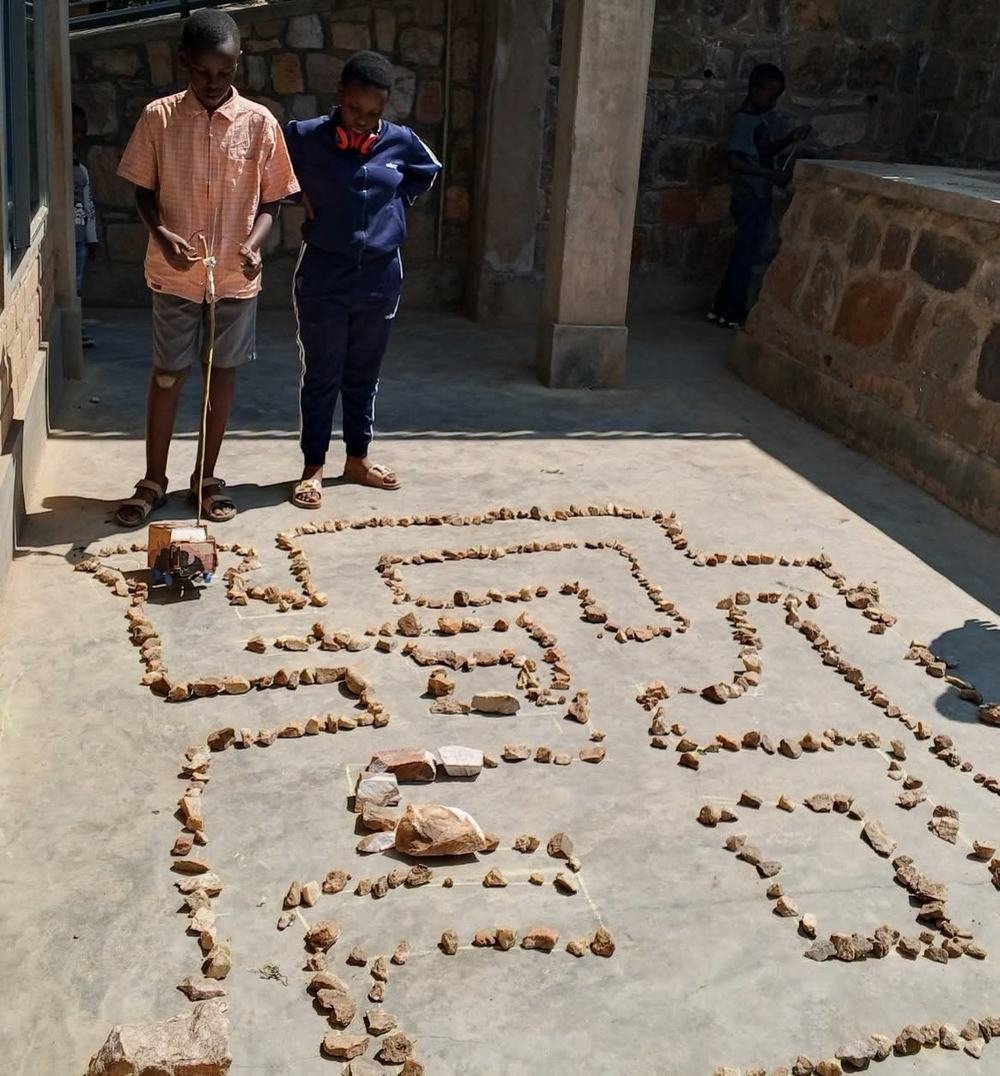
Eco‑Bots are built from recycled and locally found materials, wired with Arduino Uno boards and programmed in PictoBlox. Learners work through mazes and galimotos before designing their own machines.
Three student prototypes have come out of the programme so far: MopMaid, a floor‑cleaning robot; NeTower, an attempt at improving phone signal; and Skywalker, designed to detect illegal drugs in vehicles.

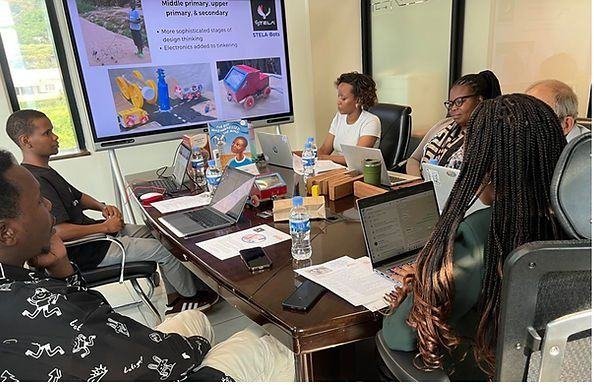
The robotics programme runs in partnership with STELA, the Science, Technology, Entrepreneurship and Leadership Academy, founded by Eric Biribuze, a member of TEACH Rwanda's USA Advisory Council.
STELA brings the technical programme and competition pathway; TEACH Rwanda brings the classroom, the teachers and the pedagogy that makes it land. Bright School hosted Rwanda's first FLL LEGO robotics team through this partnership.
Meet our advisory council →Teams design and assemble using kits and recycled materials, working through several failed mechanisms before one holds.
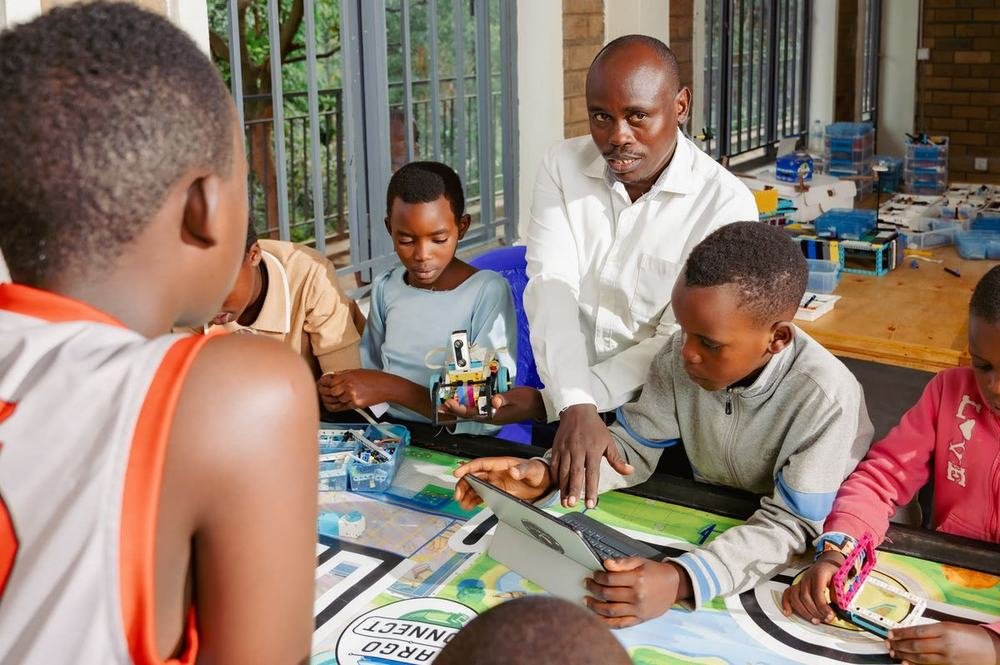
Learners sequence instructions and debug them against a physical result they can watch go wrong.
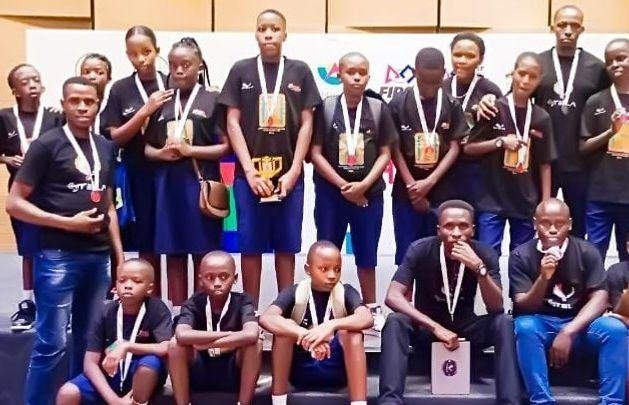
Teams take their build to competition, present their reasoning to judges, and see other approaches to the same problem.