Writing from the classroom.
Short, evidence-grounded pieces on how TEACH Rwanda's teaching method actually works, written for anyone who wants more than the summary on the programme pages.
 Teaching method
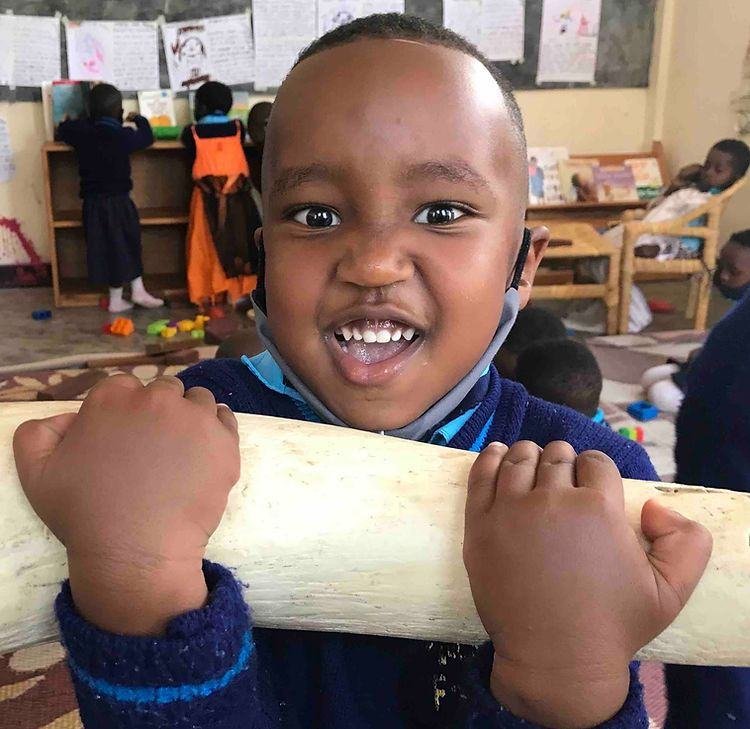
What makes a lesson “project-based”? Inside a TEACH Rwanda classroom.
Play and projects get talked about as a philosophy. Here is what the method actually looks like on a Tuesday morning.
 Impact
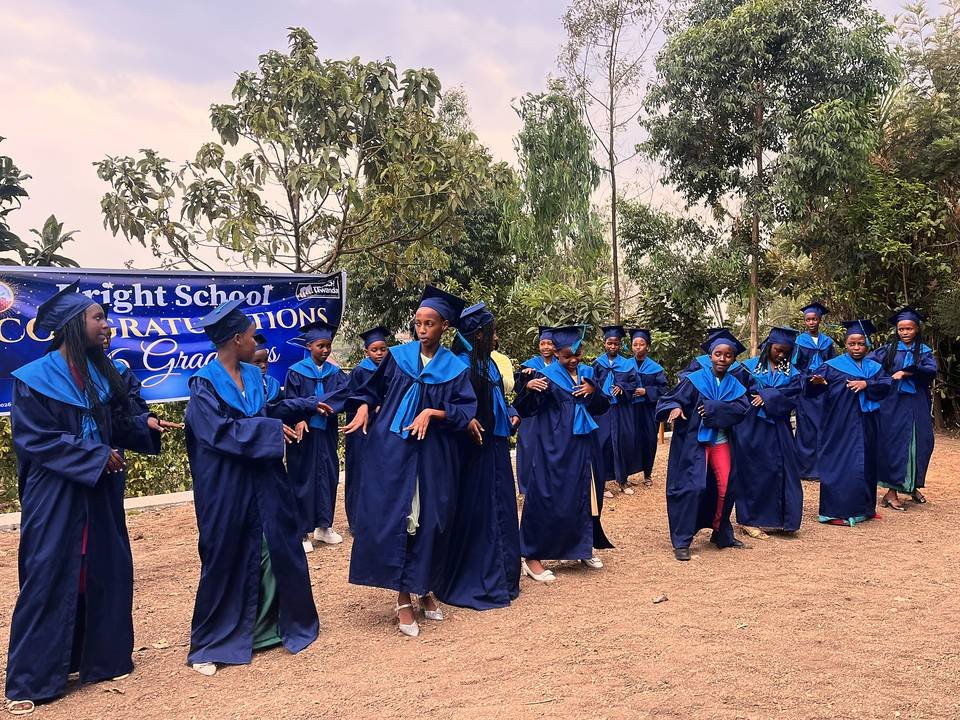
The 96.4% question: what Bright School's exam results actually show.
A national exam pass rate is one number. Here is what sits underneath it, and what it does and doesn't prove.
 Robotics
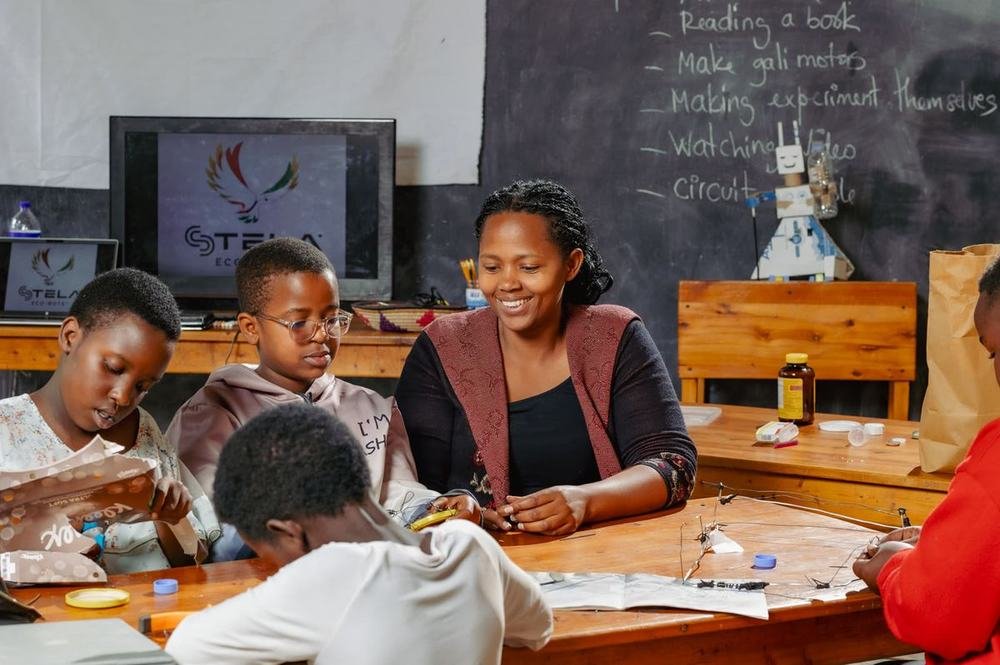
Why we build robots from recycled materials.
Eco-Bots are built from what a Rwandan classroom can actually find. That constraint is the point, not a limitation.
 Our schools
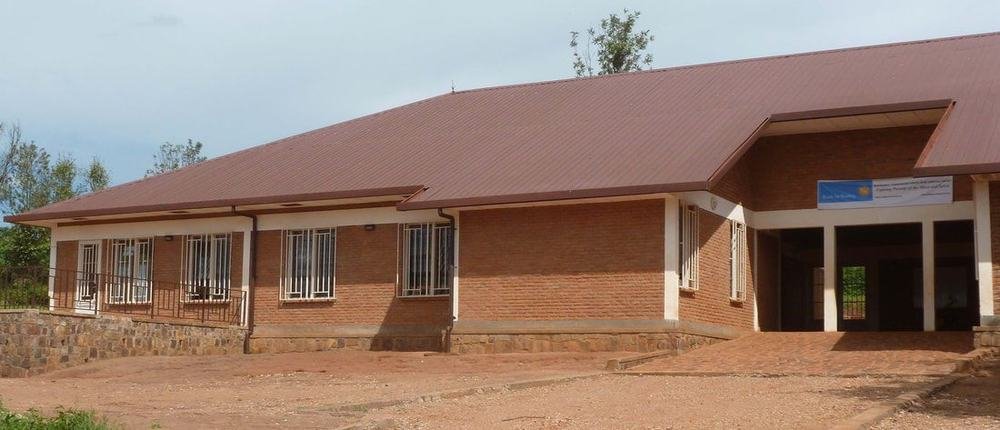
Rural, not remote: what Harmony School proves about scale.
The obvious objection to Bright School's results is that the method only works in a well-resourced town school. Harmony School is the answer to that objection.
 Teaching method
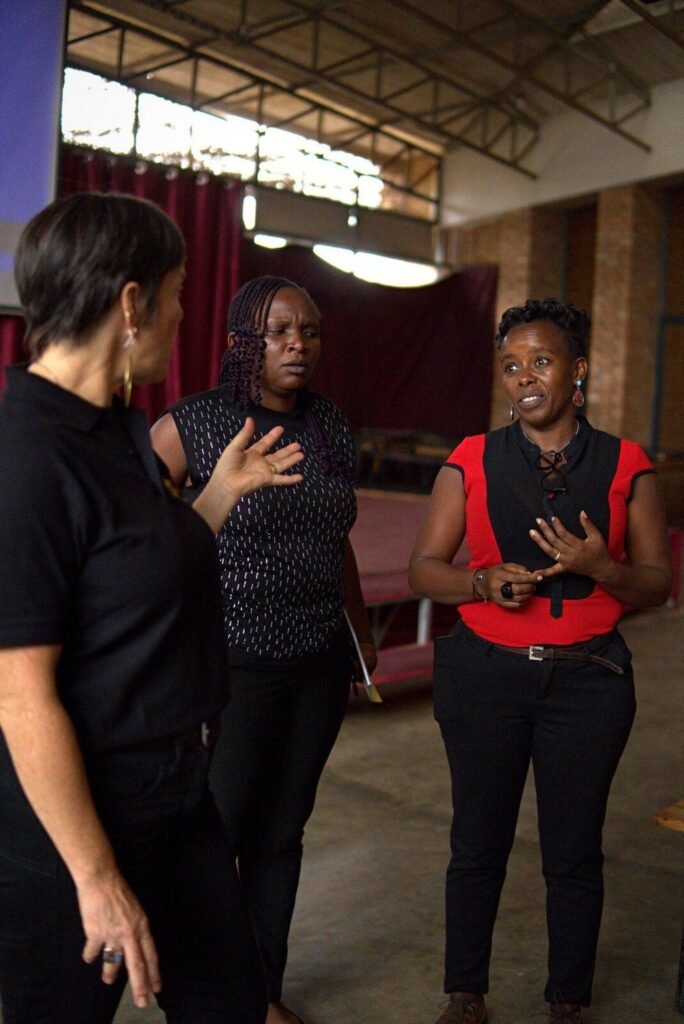
Three modules, one cycle: how TEACH for Transformation works.
T4T is not a single training day. It is a cycle, and each part depends on the one before it.
 Get involved
The maths of a scholarship: what Fund a Future actually covers.
A scholarship that marks a child out as a charity case damages the thing it was meant to provide. Here is how Fund a Future is built to avoid that.
 Programmes
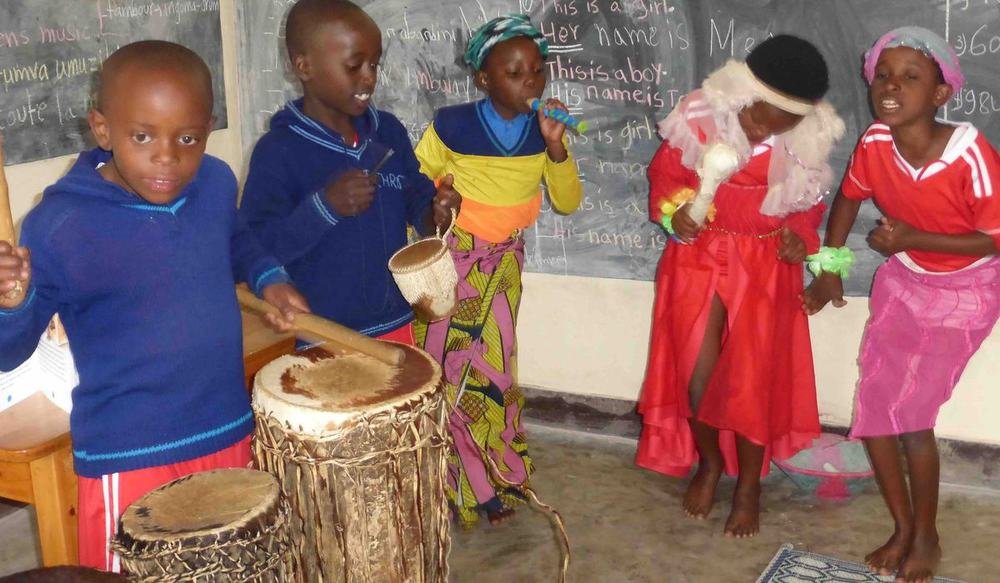
Music without an exam: why we fund instruments, not just books.
Music is project-based learning with an audience, and one of the few places in the curriculum where a child can be excellent at something that isn't measured by an examination.
 Our schools
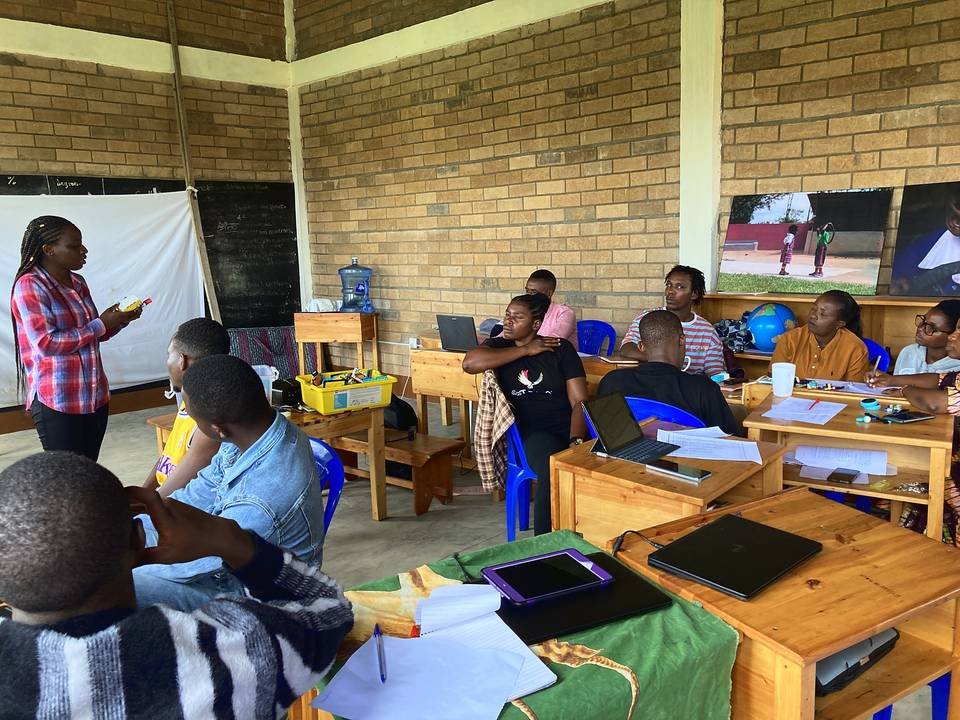
What the TEACH Rwanda Standards are, and how a school meets them.
Roughly two years, and it starts with an honest look at where a school actually is.
Want the fuller picture?
Our approach and TEACH for Transformation set out the method behind these notes in full.